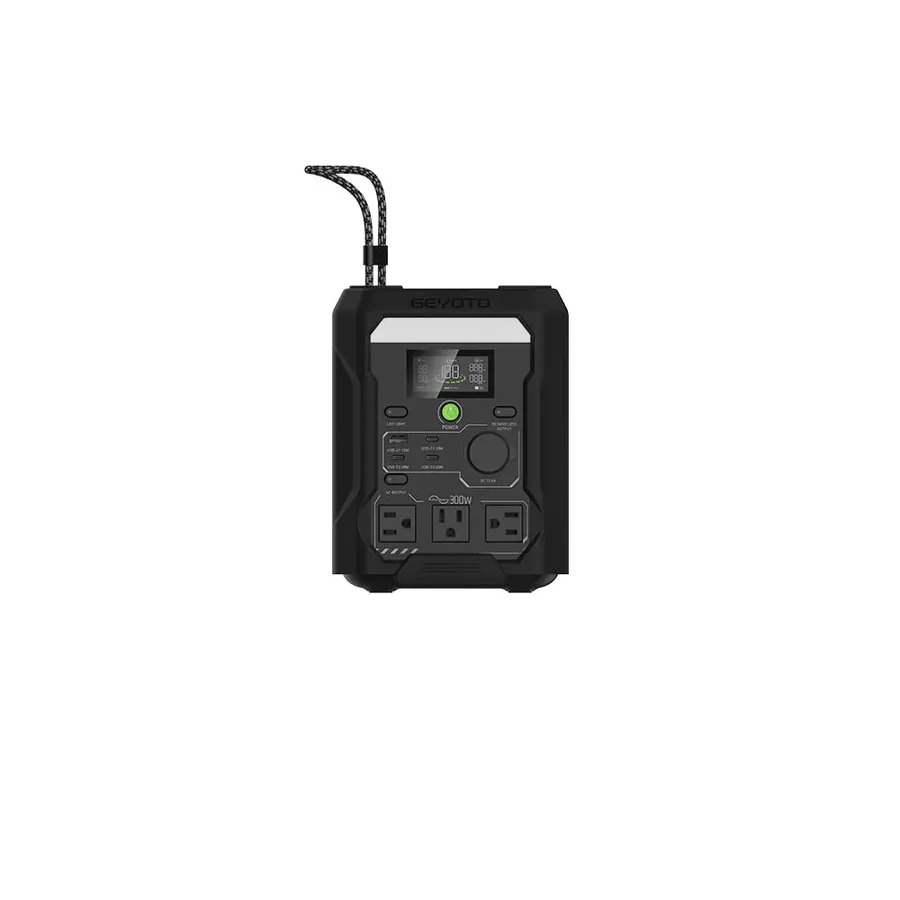

When planning a multi-day camping trip, reliable access to electricity can make the experience more comfortable, convenient, and enjoyable. Whether you need to keep phones charged, run LED lights, power a portable refrigerator, operate a CPAP machine, or recharge camera equipment, a portable power station can serve as a dependable source of energy away from traditional electrical outlets. However, choosing the right model requires more than simply selecting the largest battery available. Capacity, output power, recharge options, portability, and safety features all play important roles.
This camping power station guide explains the main factors campers should consider when selecting a power station for extended outdoor adventures. Understanding your energy requirements before purchasing can help you choose a unit that provides enough power without carrying unnecessary weight.
Understanding Power Station Capacity
Battery capacity is one of the most important specifications to examine when choosing a portable power station. Capacity is typically measured in watt-hours (Wh), which indicates how much energy the battery can theoretically store.
For example, a 500Wh power station can theoretically provide 500 watts for one hour, 50 watts for approximately ten hours, or 10 watts for roughly fifty hours. In real-world conditions, however, usable energy is lower because of conversion losses and the power station’s internal operating requirements.
For multi-day camping, capacity should be based on your daily energy consumption. A camper who only needs to charge a smartphone, smartwatch, camera, and small lights may be comfortable with a compact unit. Someone running a portable refrigerator, laptop, fan, and medical equipment may require a significantly larger battery.
Making a simple list of your devices and their estimated daily usage is an effective first step. Multiply the wattage of each device by the number of hours you expect to use it. Adding these figures together provides an estimate of your daily energy consumption. You can then multiply the result by the number of camping days and add a safety margin.
Choosing the Right Capacity for Your Trip
Different camping styles require different battery capacities. Small power stations under approximately 300Wh are suitable for lightweight trips where basic charging is the main objective. They are easy to carry and may be enough for phones, cameras, GPS devices, and small lighting equipment.
Mid-range models between approximately 500Wh and 1,000Wh provide greater flexibility. These units can support multiple electronic devices and may run small refrigerators or other moderate-demand appliances for longer periods. For many weekend and multi-day campers, this range offers a useful balance between capacity and portability.
Larger power stations exceeding 1,000Wh are better suited to extended trips, group camping, or situations involving higher energy consumption. They can provide more operating time for refrigerators, electric cooking equipment, fans, and other appliances. The trade-off is increased weight and size.
It is important to remember that capacity alone does not determine whether a power station can operate a particular appliance. The unit must also have sufficient output power.
Checking Continuous and Peak Output
Power stations typically list continuous output in watts and may also specify a peak or surge rating. Continuous output indicates how much power the inverter can deliver under normal conditions. Peak output refers to the temporary surge available when certain appliances start.
Devices with heating elements or motors can have higher startup demands than their normal operating wattage. A refrigerator, for example, may require additional power when its compressor starts. Choosing a power station with adequate continuous and peak output helps prevent overloads and unexpected shutdowns.
Before purchasing, check the rated wattage of every appliance you plan to operate. The power station’s continuous output should comfortably exceed the highest expected load. If you intend to run multiple devices simultaneously, add their power requirements together rather than considering each device individually.
Battery Chemistry and Lifespan
Battery chemistry is another important consideration. Many modern portable power stations use lithium-ion or lithium iron phosphate (LiFePO4) batteries.
Traditional lithium-ion batteries are often lighter and compact, making them attractive for campers who prioritize portability. LiFePO4 batteries, however, are known for their longer cycle life and strong thermal stability. They can be a good choice for frequent campers who expect to recharge and use their power station regularly over several years.
When comparing models, look beyond capacity and consider the expected battery cycle life. A unit with a longer-lasting battery may provide better long-term value, particularly for people who camp frequently.
Recharge Options for Extended Camping
A power station is only useful as long as it has energy available. For multi-day camping, recharge options can be just as important as battery capacity.
Solar charging is one of the most useful features for extended outdoor trips. Compatible solar panels allow campers to replenish the battery during daylight hours without access to an electrical outlet. However, solar charging speed depends on panel wattage, sunlight conditions, weather, and the power station’s maximum solar input.
Car charging can also be useful during road trips. Some power stations can recharge through a vehicle’s 12V outlet while driving. AC wall charging is typically the fastest option when electricity is available before or after a trip.
For longer adventures, combining a large battery with solar charging can create a practical energy system. Campers can use stored energy at night and recharge during sunny periods during the day.
Portability and Physical Design
A larger battery generally means a heavier power station. This creates an important balance between capacity and portability.
If you are driving directly to a campsite, a heavier unit may be perfectly practical. However, if you must carry the power station over a long distance, weight becomes a major consideration. Look for comfortable handles, compact dimensions, and a design suited to your transportation method.
Some models include wheels or telescoping handles, which can make larger units easier to move around a campsite. Weather-resistant construction may also be valuable, although most power stations should still be protected from rain, standing water, and excessive moisture unless specifically designed for outdoor exposure.
Essential Ports and Connectivity
Think about the devices you will use before choosing the number and types of ports. USB-A and USB-C ports are useful for phones, tablets, cameras, and other personal electronics. AC outlets can power standard household-style devices, while 12V DC outputs may be useful for camping refrigerators and other compatible equipment.
USB-C Power Delivery can be particularly valuable for modern laptops and high-powered devices because it may allow direct charging without relying on the AC inverter.
Some advanced models also include Bluetooth or Wi-Fi connectivity through a smartphone application. These features can allow users to monitor battery levels, adjust settings, and track power consumption remotely.
Safety Features Matter
A good portable power station should include multiple built-in safety protections. Look for features such as overcharge protection, short-circuit protection, over-temperature monitoring, and overload protection.
Battery management systems help monitor battery performance and maintain safe operating conditions. For camping, safety becomes even more important because the equipment may be used far from professional assistance or electrical infrastructure.
Always follow the manufacturer’s instructions regarding storage, charging, temperature, and transportation. Avoid placing the unit in direct sunlight for extended periods or exposing it to water unless the product is specifically designed for those conditions.
Planning for Your Actual Camping Needs
The best power station is not necessarily the biggest or most expensive model. Instead, it is the one that matches your specific camping habits.
Start by identifying essential devices. Next, estimate their daily energy consumption and determine how many days you need the battery to last without recharging. Then consider whether solar panels or vehicle charging will be available.
If you are camping with a group, remember that energy requirements can increase quickly. Multiple phones, cameras, lights, speakers, and cooking appliances can consume significantly more power than a solo trip.
It is also wise to leave some capacity unused. Unexpected needs can arise during a trip, and a battery operating at maximum capacity every day leaves little room for emergencies.
Final Considerations Before Buying
Selecting a power station for multi-day camping involves balancing capacity, output, weight, recharge speed, battery chemistry, and connectivity. A compact unit may be ideal for lightweight backpacking, while a larger model can be better for vehicle-based camping with several appliances.
This camping power station guide highlights the importance of planning your energy needs before making a purchase. By calculating your expected consumption, checking appliance wattage, considering recharge opportunities, and evaluating portability, you can find a power station that supports your outdoor lifestyle.
For occasional weekend trips, moderate capacity may be sufficient. For longer adventures, investing in a larger battery with solar compatibility and a durable battery chemistry can provide greater independence. Ultimately, the right power station should offer enough energy for your essential equipment while remaining practical to transport and operate throughout your camping journey.
