
The global shift toward sustainable transportation has accelerated at an unprecedented rate. As auto manufacturers transition from internal combustion engines to electric powertrains, the demand for reliable, efficient, and widespread charging solutions has become paramount. Central to this transformation is the Electric Vehicle Charging Station (EVCS). Understanding EVCS technology and its core role in the broader EV charging infrastructure is essential for grasping how modern mobility is evolving to meet environmental and consumer demands.
Defining EVCS Technology
At its fundamental level, an EVCS represents the specialized equipment and software framework designed to deliver electrical energy from a power grid directly to an electric vehicle’s battery pack. However, modern EVCS architecture encompasses far more than a basic power outlet. It integrates complex hardware components, intelligent communication protocols, real-time data processing, and advanced safety systems.
An EVCS functions as an intelligent intermediary. It converts, regulates, and monitors electrical current to ensure that high-capacity batteries are safely charged without causing degradation or overheating. Today, EVCS deployments range from compact residential units to massive high-voltage commercial charging hubs along major highway corridors.
Core Components of an EVCS Architecture
To understand how an EVCS operates within the larger infrastructure, it is necessary to examine its key structural layers.
Hardware Elements
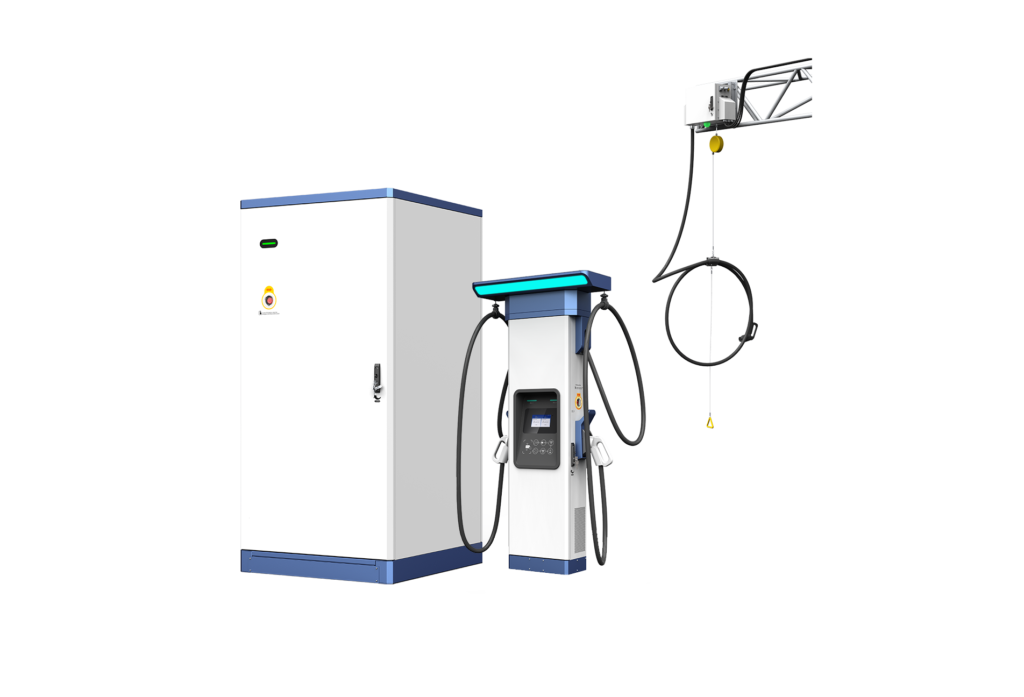
The physical aspect of an EVCS includes power electronics, enclosures, microcontrollers, display interfaces, and heavy-duty cabling. The internal circuitry must convert alternating current (AC) from the grid into direct current (DC) usable by vehicle batteries, either within the vehicle’s onboard charger or directly within the EVCS unit itself.
Software and Management Systems
Modern EVCS hardware relies heavily on smart software. Centralized EVCS management platforms allow operators to track usage metrics, conduct predictive maintenance, manage billing, and distribute power dynamically based on network load.
Communication Protocols
Standardized communication protocols, such as Open Charge Point Protocol (OCPP), allow an EVCS to interact seamlessly with central management networks, mobile applications, and utility grid operators, ensuring interoperability across different manufacturers.
The Spectrum of EVCS Power Levels
The EVCS landscape is divided into distinct operational levels, categorized by power output, charging speed, and typical application environments.
Level 1 EVCS
Operating on standard residential AC voltages (typically 120V in North America), Level 1 EVCS units provide modest power output. They are primarily used for overnight home charging, adding roughly 3 to 5 miles of driving range per hour of charge time.
Level 2 EVCS
Utilizing 208V to 240V AC power, Level 2 EVCS installations are common in residential garages, workplaces, and commercial parking areas. These units offer significantly faster performance, delivering between 10 and 30 miles of range per hour, making them ideal for daily commuter replenishment.
Level 3 EVCS (DC Fast Charging)
Operating at high-voltage direct current (often 400V to 800V+), Level 3 EVCS stations bypass the vehicle’s onboard AC charger to supply power directly to the battery. A DC fast EVCS can restore up to 80% of a vehicle’s battery capacity in 15 to 30 minutes, serving as the backbone for long-distance highway travel.
The Critical Role of EVCS in Infrastructure Development
An EVCS does not operate in isolation; it serves as a critical node in a vast, interconnected energy ecosystem. The strategic integration of EVCS technology directly addresses several long-standing challenges associated with electric vehicle adoption.
Mitigating Range Anxiety
Consumer confidence in electric vehicles relies heavily on the visibility and accessibility of public charging points. By deploying high-performance EVCS networks across urban centers and highway corridors, network operators reduce “range anxiety,” reassuring drivers that they can reliably charge on demand.
Grid Integration and Load Balancing
The rapid proliferation of electric vehicles introduces substantial demand on municipal power grids. Advanced EVCS technology incorporates smart grid features such as dynamic load management and vehicle-to-grid (V2G) capabilities. Smart EVCS installations can modulate their power output during peak grid demand hours or feed stored energy back into the grid when necessary, maintaining grid stability.
Supporting Fleet Electrification
Commercial logistics, ride-sharing services, and public transit systems are actively converting their fleets to electric power. High-capacity EVCS hubs enable fleet operators to manage automated schedules, minimize operational downtime, and track energy usage across hundreds of vehicles simultaneously.
Emerging Innovations in EVCS Design
As the transportation sector matures, EVCS technology continues to evolve rapidly through technological advancements.
Wireless EVCS Solutions
Inductive charging systems allow vehicles to charge simply by parking over a wireless EVCS pad. Eliminating the need for physical cables improves accessibility and reduces wear and tear in public environments.
Ultra-Fast and Megawatt Charging
Engineers are actively deploying ultra-fast EVCS networks capable of delivering 350 kW and beyond. For heavy commercial vehicles like long-haul trucks and buses, megawatt-level EVCS solutions are currently being rolled out to allow high-volume power transfer in minutes.
Renewable Energy Integration
A growing number of EVCS installations incorporate localized solar arrays and stationary battery energy storage systems (BESS). This enables the EVCS to store clean energy during the day and dispense it during peak evening hours, minimizing operational costs and reliance on fossil-fuel-generated grid power.
Overcoming Key Challenges in EVCS Deployment
While the momentum behind electric mobility is strong, several obstacles must be navigated to ensure widespread, equitable EVCS availability.
High Infrastructure Costs
Installing high-power EVCS locations requires substantial capital expenditure, including transformer upgrades, trenching, grid interconnection fees, and hardware procurement. Public incentives and private investments remain essential drivers.
Standardized User Experience
Disparate payment systems, varying connector types, and unreliable uptime have historically frustrated consumers. Industry efforts toward standardized plug types (such as NACS and CCS) alongside universal payment integration are improving the overall EVCS driver experience.
Conclusion
The evolution of EVCS technology is fundamentally reshaping the global energy and transportation paradigms. Far beyond basic power delivery, modern EVCS networks represent intelligent, interconnected systems that balance grid loads, support corporate sustainability goals, and provide consumers with fast, reliable energy access. As innovations in ultra-fast charging, wireless power, and renewable integration continue to mature, the strategic deployment of advanced EVCS infrastructure will remain the single most critical factor in driving global electric vehicle adoption forward.