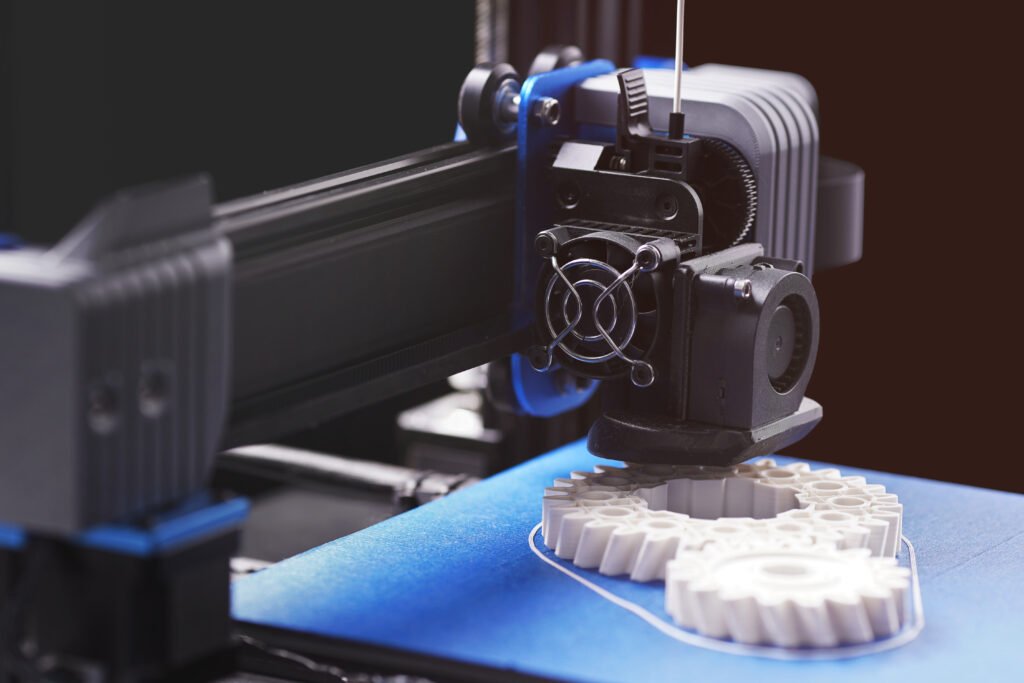

Developing a new product can be an exciting process, but it can also become expensive and time-consuming when teams rely entirely on traditional development methods. Designing, testing, modifying, and manufacturing a product without an early physical or functional model can lead to costly mistakes. This is where rapid prototyping services provide significant value. By allowing businesses to quickly transform concepts into prototypes, these services help development teams identify problems early, test ideas efficiently, and make better decisions before committing to large-scale production.
Rapid prototyping is particularly useful for startups, product designers, engineers, and established manufacturers that want to shorten development cycles while maintaining product quality. Instead of waiting weeks or months to evaluate a concept, teams can often create and test a prototype much earlier. This faster feedback loop can reduce unnecessary development work and help companies bring products to market more efficiently.
Understanding Rapid Prototyping
Rapid prototyping is the process of quickly creating a physical or functional representation of a product based on digital designs or engineering specifications. Depending on the product and its requirements, prototypes may be produced using technologies such as 3D printing, CNC machining, vacuum casting, or other specialized manufacturing techniques.
The primary purpose is not always to create a final production-ready product. Instead, a prototype provides developers with something they can inspect, test, measure, and improve.
This approach gives product teams an opportunity to discover design weaknesses before investing heavily in tooling, materials, production equipment, or large manufacturing runs. As a result, rapid prototyping becomes an important part of an efficient product development strategy.
Faster Design Validation
One of the biggest advantages of rapid prototyping is faster design validation. A digital model may look perfect on a computer screen, but that does not guarantee that the physical product will function as expected.
A prototype allows designers and engineers to examine the product in a real-world form. They can evaluate dimensions, assembly methods, ergonomics, appearance, movement, and functionality.
For example, a company developing a handheld electronic device may discover that the buttons are difficult to reach or that the casing is uncomfortable to hold. Identifying these problems during the prototype stage is much more affordable than discovering them after production tooling has been completed.
Rapid testing allows teams to make adjustments immediately and produce another version. This creates an iterative development process where each prototype improves on the previous one.
Reducing Costly Design Mistakes
Product development errors can become extremely expensive when they are discovered late. A minor design problem may require new tooling, additional materials, production delays, or even a complete redesign.
Rapid prototyping services help reduce this risk by moving testing earlier in the development process. Teams can identify weaknesses while changes are still relatively inexpensive.
Instead of committing substantial resources to an untested design, businesses can invest smaller amounts in prototype development and testing. If the design fails, the company can modify it before moving forward.
This approach can significantly reduce the financial impact of mistakes and provide greater confidence before production begins.
Shortening Development Cycles
Traditional product development can involve long periods between design changes and physical testing. Every delay can push back manufacturing schedules, marketing campaigns, product launches, and sales opportunities.
Rapid prototyping reduces the time between an idea and a physical model. Modern prototyping technologies can produce complex components much faster than many traditional manufacturing approaches.
Once a prototype is available, teams can immediately begin evaluation. If modifications are required, updated designs can be prepared and another prototype can be produced.
This shortened feedback cycle helps companies move through multiple design iterations in less time. Instead of spending months refining a concept without physical validation, teams can learn directly from successive prototypes.
Improving Communication Between Teams
Product development often involves designers, engineers, manufacturers, marketers, investors, and other stakeholders. Communicating an idea through technical drawings or descriptions can sometimes be difficult.
A physical prototype makes the concept easier to understand. Team members can see the product, handle it, and discuss specific design characteristics.
This can prevent misunderstandings and improve collaboration. Engineers may identify technical concerns, designers may suggest aesthetic improvements, and marketing teams may evaluate how customers are likely to respond to the product.
For investors and decision-makers, a prototype can also provide a clearer representation of the proposed product. This can make product reviews and approval processes more efficient.
Testing Functionality Before Mass Production
A prototype can be used for much more than visual inspection. Functional prototypes allow teams to test how a product behaves under realistic conditions.
Depending on the product, developers may test durability, fit, mechanical movement, assembly, heat resistance, usability, or other performance characteristics.
These tests can reveal problems that are difficult to identify from digital models alone. If a component does not fit properly, moves incorrectly, or fails during testing, engineers can modify the design before production.
This early testing helps businesses avoid producing large quantities of products that may not meet performance expectations.
Supporting Better Material Decisions
Material selection can have a major impact on product cost, durability, weight, appearance, and performance. Rapid prototyping can help teams evaluate different material options before finalizing production specifications.
For example, a product team may compare prototypes made with different materials or manufacturing processes. By examining these versions, engineers can determine which option provides the best balance between performance and cost.
This can prevent businesses from selecting expensive materials unnecessarily or choosing materials that cannot meet product requirements.
Minimizing Manufacturing Risks
Moving directly from a digital design to mass production can involve considerable risk. Manufacturing problems may only become visible once production begins.
Rapid prototyping provides an intermediate stage where manufacturing concepts can be evaluated. Teams can examine how components fit together, whether assembly procedures are practical, and whether certain design features create production difficulties.
This information can be used to optimize the design for manufacturing before production begins. By addressing manufacturing concerns early, businesses can reduce delays, waste, and unexpected expenses.
Helping Startups Manage Limited Budgets
Startups often have limited financial resources, making efficient product development especially important. A large investment in tooling and mass production can be risky when market demand has not yet been confirmed.
Rapid prototyping gives startups a more flexible approach. They can create prototypes, test them with potential users, gather feedback, and refine the product before making major investments.
This can also help startups demonstrate their concepts to investors, partners, or early customers. A working prototype can make a product idea easier to evaluate and potentially support funding and partnership discussions.
Accelerating Time to Market
Speed can provide a major competitive advantage in many industries. Companies that develop and launch useful products faster may have more opportunities to establish themselves before competitors.
Rapid prototyping supports shorter development timelines by reducing delays between design, testing, and modification. When problems are identified quickly, teams can resolve them before they affect later production stages.
A shorter development cycle can ultimately allow businesses to move from concept to market more efficiently.
Conclusion
Rapid prototyping is an effective strategy for companies seeking to control development costs while improving speed and product quality. By creating physical or functional prototypes early, businesses can validate designs, identify mistakes, test materials, improve communication, and reduce manufacturing risks.
The greatest value of rapid prototyping services comes from creating a faster feedback cycle. Instead of waiting until the final stages of development to discover problems, teams can identify and solve issues while changes are still manageable and affordable.
For startups and established manufacturers alike, this approach can lead to more efficient product development, better decision-making, and faster market launches. When integrated into a well-planned development process, rapid prototyping can transform product ideas into tested and refined solutions while helping businesses save both valuable time and development costs.
Do you like this personality?
