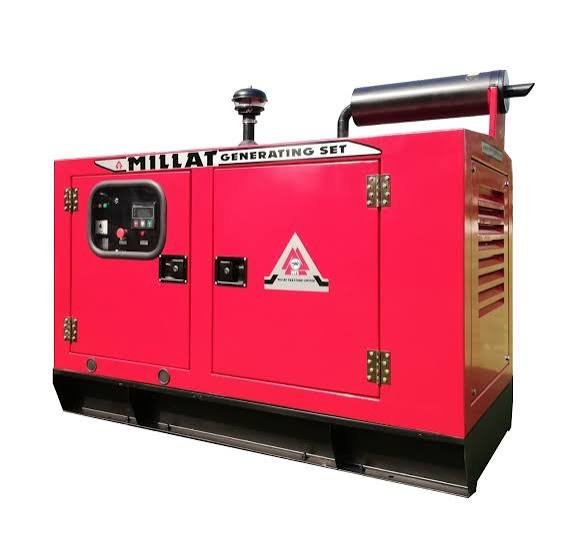

In an era where continuous power supply is vital for both residential comfort and industrial productivity, power outages can cause significant disruptions, costly operational downtime, and equipment damage. Investing in a reliable backup power source is no longer a luxury—it is a necessity. Among the various backup power solutions available today, a diesel generator remains one of the most durable, efficient, and cost-effective choices on the market.
Whether you need primary power for an off-grid construction site, emergency standby power for a commercial facility, or residential backup during extreme weather events, choosing the right diesel generator requires careful consideration. This comprehensive buying guide outlines the critical features, specifications, and technical factors you must evaluate before making your investment.
Understanding Your Power Requirements
Before exploring specific models, features, or brands, the single most important step is determining your actual power needs. Selecting a unit with insufficient capacity will result in overload shutdowns, while an oversized unit will lead to unnecessary initial expense and inefficient performance.
Calculating Wattage and Load Capacities
Every piece of electrical equipment requires a specific amount of power to start and operate continuously. When calculating requirements for a diesel generator, you must differentiate between two types of power metrics:
- Running Wattage (Rated Load): The continuous power required to keep appliances and equipment operating under normal conditions.
- Starting Wattage (Surge Load): The temporary spike in electrical current required by motorized equipment—such as air conditioners, pumps, compressors, and heavy machinery—to start up.
To determine your overall capacity requirements, sum up the running wattage of all devices you intend to power simultaneously, then add the highest starting wattage requirement among those devices. Adding a 20% safety margin above this total calculation ensures that your diesel generator operates smoothly without being strained at 100% capacity continuously.
Prime Power vs. Standby Power
Generators carry different power ratings based on their intended duty cycles:
- Standby Power Rating: Designed to supply emergency power for the duration of a utility outage. Standby units are optimized for varying loads and intermittent usage.
- Prime Power Rating: Designed for continuous operation in locations where grid power is unavailable or unreliable. Prime power systems can handle variable loads for unlimited annual hours.
- Continuous Power Rating: Intended for steady, non-varying loads over 100% of the run time without overload capabilities.
Understanding how frequently and extensively you will run your diesel generator ensures you choose a model built for your specific operational demands.
Key Engine Features and Efficiency Metrics
The engine is the heart of any power generation system. Evaluating key engine specifications helps determine longevity, maintenance demands, and overall operating costs over time.
Fuel Efficiency and Operating Cost
Fuel consumption accounts for a major portion of long-term operational expense. Modern diesel engine designs feature advanced electronic fuel injection systems and turbocharging capabilities, significantly optimizing fuel utilization. Compare the fuel consumption rate (typically measured in liters or gallons per hour at 25%, 50%, 75%, and 100% load) across different models to evaluate running costs over the lifecycle of your diesel generator.
Engine Cooling Systems
Generators generate substantial thermal heat during operation. Choosing the right cooling mechanism is vital for preventing engine overheating and performance degradation:
- Air-Cooled Systems: Suitable for smaller, portable units used intermittently. These rely on ambient air flow and fan cooling.
- Liquid-Cooled Systems: Ideal for stationary, high-capacity, or commercial units operating in high-ambient temperature environments. Liquid cooling uses radiators and coolant circulation to maintain optimal engine temperatures during extended runs.
Power Quality, Voltage, and Control Systems
Not all electrical power is created equal. Modern sensitive electronics—such as computers, servers, medical devices, and automated machinery—require clean, stable voltage to operate safely without internal damage.
Single-Phase vs. Three-Phase Power
Determining whether you need single-phase or three-phase power depends on your facility’s infrastructure:
- Single-Phase Power: Commonly used in residential homes and small commercial spaces (typically 120V/240V). It operates standard household electronics and small machinery.
- Three-Phase Power: Standard for industrial facilities, commercial buildings, and heavy manufacturing (typically 208V, 240V, or 480V). It delivers higher power efficiency and supports large electric motors.
Automatic Voltage Regulation (AVR)
An Automatic Voltage Regulator (AVR) stabilizes output voltage fluctuations caused by shifting electrical loads. Investing in a diesel generator equipped with a high-quality AVR prevents power surges, voltage sags, and harmonic distortion, protecting delicate electronic equipment.
Digital Control Panels and Monitoring
Modern units come equipped with microprocessor-based digital control panels that offer real-time operational insights. Look for control systems that monitor key parameters, including:
- Engine oil pressure and coolant temperature
- Output voltage, frequency, and current
- Fuel level indicators and run-time hours
- Diagnostic fault codes and automatic shutdown alerts
Essential Safety and Convenience Features
A high-performing power system must incorporate robust safety mechanisms and operational conveniences to guarantee safe, seamless power transitions during outages.
Automatic Transfer Switch (ATS) Compatibility
An Automatic Transfer Switch (ATS) monitors grid power continuously. When a power failure occurs, the ATS automatically signals the diesel generator to start and transfers the electrical load seamlessly. Once utility power is restored, the ATS switches the load back and safely shuts down the unit. ATS integration ensures uninterrupted operation without manual intervention, making it essential for critical facilities, health centers, and commercial setups.
Sound Attenuation and Acoustic Enclosures
Diesel engines are inherently loud during operation. If your installation site is located near residential neighborhoods, office complexes, or public facilities, noise mitigation is a major priority. Choose a soundproof or silent diesel generator enclosed in a heavy-duty, weather-protective, sound-attenuating canopy. Soundproof enclosures reduce noise levels to acceptable municipal decibel limits (often below 65–70 dBA at 7 meters).
Safety Protection and Automatic Shutdowns
To protect your equipment investment and operator safety, ensure the unit incorporates essential automatic safety shutdowns for:
- Low oil pressure
- High engine coolant temperature
- Low fuel level or fuel leak detection
- Over-speed and under-speed engine protection
- Circuit breaker overload protection
Installation, Maintenance, and Long-Term Value
Investing in backup power goes beyond purchasing the machine itself; installation conditions and ongoing serviceability play significant roles in total cost of ownership.
Physical Footprint and Ventilation Requirements
Select an installation location with adequate structural support, clear access for maintenance routines, and proper airflow ventilation for exhaust gases. Proper exhaust system piping is critical to safely vent carbon monoxide away from occupied areas.
Maintenance and Parts Availability
Routine maintenance—such as changing oil, replacing fuel and air filters, checking coolant levels, and testing batteries—is essential to preserve the reliability of a diesel generator. Before selecting a brand, confirm local availability of spare parts, authorized technicians, and factory support services.
Conclusion
Choosing the right backup power system is a critical investment in your operational security and piece of mind. By accurately assessing your wattage requirements, understanding duty cycles, and evaluating essential features—such as Automatic Transfer Switches, advanced voltage regulation, fuel efficiency, and sound attenuation—you can select a diesel generator tailored specifically to your needs. A well-chosen diesel generator delivers reliable, continuous, and cost-effective power, keeping your essential operations running safely through any grid disruption.
