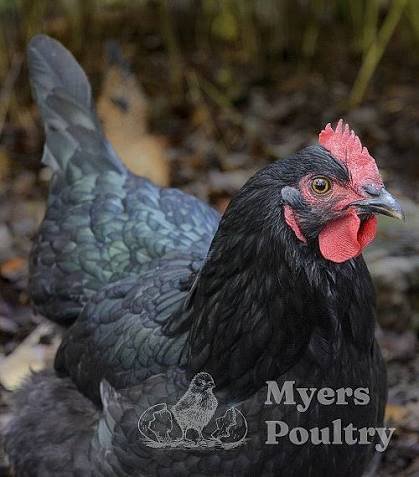

Raising Australorp chicks can be a rewarding experience for anyone interested in backyard poultry, fresh eggs, and maintaining a healthy flock. Australorps are popular chickens known australorp chicks for sale for their calm temperament, attractive appearance, and excellent egg-laying abilities. Their generally friendly nature makes them a suitable choice for beginners who want to learn the basics of poultry keeping.
However, successful chick rearing requires more than providing food and water. Young chicks need a warm environment, balanced nutrition, clean housing, protection from predators, and regular observation. By preparing properly and following a consistent care routine, beginners can help their Australorp chicks grow into healthy, productive chickens.
1. Understand the Australorp Breed
Before raising Australorp chicks, it is helpful to understand the characteristics of this well-known chicken breed. Australorps originated in Australia and were developed from British Orpington chickens. They are especially recognized for their glossy black feathers, although other color varieties exist.
Australorps are valued for their egg production, gentle behavior, and adaptability to different backyard environments. Hens typically lay brown eggs and can produce a substantial number throughout the year when they receive appropriate nutrition, housing, and care.
Their calm disposition can make daily handling and flock management easier for inexperienced keepers. Nevertheless, every chicken has an individual personality, and young birds still require careful supervision.
2. Prepare a Safe Brooder Before Bringing Chicks Home
A brooder is a protected space where newly hatched chicks live until they are sufficiently feathered to tolerate normal outdoor temperatures. Preparing this area in advance helps reduce stress during the chicks’ first days.
Choose a sturdy container or enclosed pen with enough room for the birds to move freely. The brooder should have good ventilation without exposing the chicks to cold drafts. Its sides must be high enough to prevent escape while allowing convenient access for cleaning and feeding.
Cover the floor with clean, dry, non-slip bedding. Paper towels placed over suitable bedding can help very young chicks find their footing during the first few days. Avoid slippery surfaces, which can contribute to leg problems.
Keep the brooder away from household pets, excessive noise, and direct exposure to harsh weather. Check that there are no sharp edges, loose wires, or openings where chicks could become trapped.
As the birds grow, increase their available space to prevent overcrowding, competition, and unnecessary stress.
3. Maintain the Correct Temperature
Temperature management is one of the most important responsibilities when raising Australorp chicks. Newly hatched birds cannot regulate their body temperature as effectively as adult chickens.
A commonly used starting temperature is approximately 95°F (35°C) at chick level during the first week. Reduce the temperature by about 5°F (3°C) each week as the chicks develop, adjusting according to their feathering, behavior, and the surrounding conditions.
Provide a warm area and a cooler area within the brooder so chicks can choose where they feel comfortable. A securely installed heat source should be positioned to prevent burns, overheating, or fire hazards.
Observe the chicks rather than relying exclusively on a thermometer. If they crowd tightly beneath the heat source and peep persistently, they may be too cold. If they avoid the warm area and pant, they may be too hot. Comfortable chicks generally move around, eat, drink, and rest normally.
Never make abrupt temperature changes. Gradual adjustments help young Australorps adapt as their bodies develop.
4. Provide Balanced Chick Starter Feed
Good nutrition supports feather development, strong bones, healthy growth, and future egg production. During their early weeks, Australorp chicks should receive a commercially formulated chick starter feed appropriate for their age.
Starter feed supplies essential protein, vitamins, minerals, and energy in balanced proportions. Follow the manufacturer’s feeding instructions and select a medicated or unmedicated product according to veterinary guidance and the needs of the flock.
Keep feed available throughout the day unless a veterinarian recommends a different feeding plan. Use a suitable chick feeder that allows easy access while limiting waste and contamination.
Avoid relying on kitchen scraps, bread, or grains as the primary diet. These foods do not provide the complete nutrition growing chicks require. Treats should be limited, especially during the early stages of development.
If chicks receive foods other than a complete starter ration, ask a poultry professional whether supplemental grit is necessary. Chicks eating only commercial crumble generally do not need grit to digest that feed.
5. Keep Fresh, Clean Water Available
Water is essential for digestion, temperature regulation, and normal growth. Place a shallow chick-safe drinker in the brooder and refill it with clean water regularly.
Choose equipment designed to reduce the risk of drowning. Deep bowls and open containers can be dangerous for small chicks. Check drinkers several times daily to make sure they have not tipped over or become blocked by bedding.
When introducing chicks to a new drinker, gently show them where the water is located. Avoid forcing their heads underwater.
Clean water containers frequently because feed particles, droppings, and bedding can contaminate the supply. During hot weather, check water availability more often.
A reliable supply of fresh water, combined with appropriate feed, creates a strong foundation for healthy development.
6. Maintain Cleanliness and Good Ventilation
A clean brooder helps reduce exposure to harmful bacteria, parasites, and respiratory irritants. Replace wet or heavily soiled bedding promptly, and clean feeders and drinkers regularly.
Although ventilation is necessary, avoid creating strong drafts at chick level. Poor ventilation can allow moisture and ammonia from droppings to accumulate, irritating the birds’ respiratory systems.
Wash your hands before and after handling the chicks or cleaning their equipment. Use dedicated cleaning supplies for poultry areas, and keep visitors from unnecessarily entering the brooder.
Observe the birds daily for signs of illness, including unusual lethargy, reduced appetite, labored breathing, persistent diarrhea, or failure to grow normally. Separate a sick bird when appropriate and seek advice from a poultry veterinarian promptly.
Preventive care is generally easier and less stressful than responding to a problem after it spreads through the flock.
7. Handle Chicks Gently and Build Trust
Australorps are often described as friendly chickens, but trust develops through calm, consistent interaction. Beginners should handle chicks gently and only when necessary, supporting the body securely without squeezing.
Avoid chasing chicks around the brooder or making sudden movements that frighten them. Short, calm interactions can help them become comfortable with routine care.
Children should always be supervised when handling poultry and should wash their hands afterward. Chicks should not be kissed or brought close to the face because poultry can carry germs even when they appear healthy.
As the birds mature, continue observing their behavior and provide opportunities for normal movement, exploration, and social interaction.
8. Introduce Outdoor Space Gradually
Australorp chicks eventually need more room to move, explore, scratch, and develop natural behaviors. However, moving them outside too early can expose them to cold temperatures, predators, and disease.
Wait until the birds are adequately feathered and the weather is suitable. Their readiness depends on age, feather development, climate, and nighttime temperatures rather than a fixed calendar date.
Before moving them, prepare a secure coop with dry bedding, adequate ventilation, protection from rain, and sufficient roosting space as they grow. Provide a predator-resistant run with secure fencing and a covered area where necessary.
Make sure the outdoor space offers shade and access to clean water. Supervise initial outdoor sessions and gradually increase their time outside as conditions allow.
9. Monitor Growth and Prevent Common Problems
Daily observation helps beginners recognize changes before they become serious. Healthy chicks should gradually become more active, develop feathers, and gain size.
Keep simple records of feed consumption, general behavior, unusual symptoms, and changes in the brooder environment. These notes can help identify patterns and provide useful information if veterinary advice becomes necessary.
Avoid overcrowding, sudden changes in feed, damp bedding, and poorly maintained drinkers. These conditions can contribute to stress and health problems.
Purchase chicks from a reputable breeder or hatchery that can explain their age, breed, vaccination history, and health management practices. Quarantine newly acquired birds away from an established flock according to veterinary guidance.
10. Establish a Consistent Daily Care Routine
A predictable routine makes raising Australorp chicks more manageable. Each morning, check the temperature, inspect the birds, refill their feed and water, and remove wet bedding.
Throughout the day, confirm that the chicks are active and have comfortable access to food, water, and suitable temperatures. In the evening, check the brooder again and make sure the enclosure is secure.
As the chicks mature, gradually adjust their space, heating arrangements, and housing. Keep basic supplies available so you can respond quickly to unexpected needs.
Consistency is particularly important for beginners because small daily checks can reveal problems before they become difficult to manage.
Conclusion
Raising Australorp chicks successfully begins with preparation, careful observation, and a commitment to meeting their changing needs. A safe brooder, appropriate warmth, balanced starter feed, clean water, good hygiene, and secure housing all contribute to healthy development.
Although Australorps are often suitable for backyard poultry keepers, they still depend on attentive care throughout their early lives. By learning their behavior, maintaining a consistent routine, and seeking professional advice when necessary, beginners can raise a healthy flock and prepare their birds for productive adulthood.
With patience and responsible management, raising Australorp chicks can become an enjoyable and educational part of keeping backyard chickens.