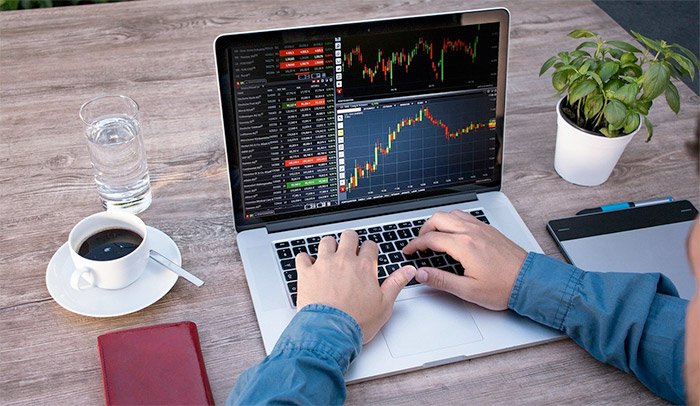

Navigating the financial markets requires a clear strategy, continuous learning, and, most importantly, the right trading partner. Selecting a broker is one of the most critical decisions a trader or investor will ever make. The brokerage firm serves as the gateway to global markets, providing the technology, security, execution speed, and fee structure that directly impact long-term profitability.
Because every investor approaches the market with unique financial objectives—ranging from wealth preservation and retirement planning to active day trading—there is no one-size-fits-all broker. Aligning broker capabilities with personal financial goals ensures that trading remains efficient, secure, and tailored to individual risk tolerances.
Defining Financial Goals and Trading Style
Before reviewing features or opening an account, establishing personal financial objectives is essential. The optimal choice depends heavily on whether trading serves as a primary source of income, a long-term investment vehicle, or a speculative side project.
Short-Term Trading vs. Long-Term Investing
Short-term traders—such as scalpers, day traders, and swing traders—require rapid order execution, tight spreads, and advanced technical charting tools. For these active market participants, transaction costs like bid-ask spreads and commissions directly determine whether a strategy remains profitable.
Conversely, long-term investors focus on asset accumulation, portfolio diversification, low inactivity fees, and reliable custody of assets. They often prioritize access to a broad selection of global stocks, index funds, and bonds rather than high-speed order routing.
Matching Strategy to Broker Strengths
Different strategies demand specific trading environments:
- High-Frequency Traders: Require direct market access (DMA) or Straight Through Processing (STP) execution to minimize slippage.
- Passive Investors: Benefit from automated investing tools, low-cost ETF access, and fractional share trading.
- Risk-Managed Traders: Require clear leverage controls, stop-loss order reliability, and negative balance protection.
Evaluating Security and Regulatory Oversight
Safety of funds is the foundational criteria of any trading setup. The global financial landscape features varying levels of market oversight, making regulatory compliance non-negotiable when committing capital.
The Role of Regulatory Agencies
Working exclusively with regulated forex brokers and investment firms provides institutional protection against fraudulent practices, market manipulation, and unexpected broker insolvency. Top-tier regulatory bodies hold brokerages to strict capital adequacy ratios, operational transparency, and rigorous conduct rules.
Key international tier-1 regulators include:
- CFTC & NFA (United States)
- FCA (United Kingdom)
- ASIC (Australia)
- CySEC (Cyprus / European Union)
- MAS (Singapore)
Fund Protection and Account Segregation
Beyond licensing, regulated forex brokers are legally mandated to keep client funds in segregated bank accounts entirely separate from the company’s operational funds. This guarantees that client capital cannot be used for broker expenses, debt settlements, or proprietary trading. Additionally, many tier-1 jurisdictions offer statutory compensation schemes that protect trader balances up to set limits in the event of financial failure.
Analyzing Trading Costs and Fee Structures
Brokerage fees silently erode trading returns over time. Understanding the complete cost model helps prevent unexpected expenses from jeopardizing financial targets.
+---------------------+---------------------------------------+---------------------------------------+
| Fee Type            | Direct Impact                         | Consideration                         |
+---------------------+---------------------------------------+---------------------------------------+
| Spreads             | Difference between bid and ask price  | Vital for high-volume active traders  |
| Commissions         | Flat fee charged per lot/trade        | Common in zero-spread account models  |
| Overnight Swaps     | Cost of holding leveraged positions   | Critical for long-term swing traders  |
| Non-Trading Fees   | Inactivity, withdrawal, conversion    | Affects low-frequency investors       |
+---------------------+---------------------------------------+---------------------------------------+
Direct Trading Fees
- Spreads: The gap between the buying price and the selling price. Fixed spreads provide predictability, while variable (floating) spreads can shrink during high liquidity and widen during economic news releases.
- Commissions: Some brokers offer zero-spread accounts paired with a fixed commission per round turn, which often proves cheaper for high-frequency strategies.
Hidden and Non-Trading Costs
Always inspect account terms for maintenance fees, currency conversion charges on foreign deposits, and withdrawal processing costs. For swing traders and position traders, competitive overnight financing (swap) rates are essential to prevent portfolio decay over extended holding periods.
Assessing Platform Capabilities and User Experience
A broker’s trading platform serves as the central engine for trade execution, market analysis, and portfolio tracking.
Technical Reliability and Speed
Even slight latency or system crashes during high volatility can turn a profitable strategy into a loss. Reliable platforms guarantee fast order routing, minimal slippage, and high server uptime.
Platform Options and Tools
- MetaTrader 4/5 (MT4/MT5): The standard across major regulated forex brokers, known for automated trading capabilities (Expert Advisors) and vast charting indicators.
- cTrader: Preferred by ECN/STP traders seeking advanced order types, market depth analysis, and slick execution.
- Proprietary Web and Mobile Apps: Designed for intuitive user experience, stock portfolio management, and beginner-friendly navigation.
Access to customizable charting interfaces, real-time news feeds, economic calendars, and integrated risk management utilities (such as guaranteed stop-loss orders) directly enhances decision-making accuracy.
Comparing Account Types and Asset Availability
A suitable broker must provide access to the specific asset classes required to build a balanced portfolio.
Diverse Market Access
To achieve true diversification, traders often look for platforms offering multi-asset access, including:
- Foreign Exchange: Currency pairs across major, minor, and exotic categories.
- Equities & Indices: Shares of publicly traded companies and broad-market global indices.
- Commodities: Precious metals, energy markets, and agricultural assets.
- Digital Assets: Cryptocurrencies and related financial derivatives.
Flexible Account Structures
Brokers typically offer multiple account tiers based on experience level and capital size. Micro or Standard accounts cater to beginners with low deposit requirements, while VIP or Raw ECN accounts serve institutional traders who require interbank pricing and dedicated relationship management. Furthermore, swap-free Islamic accounts should be available for traders following Sharia principles.
Testing Customer Support and Funding Convenience
Seamless operational logistics allow traders to focus entirely on market analysis without administrative distractions.
Efficient Deposit and Withdrawal Methods
A reputable platform supports transparent, swift, and secure payment channels. Common options include domestic bank transfers, credit/debit card processing, and recognized e-wallets. Funding options should align with account base currencies to avoid unnecessary conversion surcharges.
Customer Service Quality
Financial markets operate continuous cycles, making reliable customer service essential. Top-performing brokers offer 24/5 or 24/7 technical support via live chat, phone, and email. Testing response promptness and standard representative knowledge prior to committing capital ensures peace of mind during urgent platform issues.
Final Decision Framework
Choosing a broker is a structured process that requires diligent verification rather than fast decision-making.
- Verify Licenses: Cross-check the broker’s license registration numbers on official regulator portals to confirm active authorization.
- Open a Demo Account: Test order execution speeds, software interface responsiveness, and tool suitability risk-free using virtual funds.
- Start Small: Initiate real trading with a minimal initial deposit to observe live withdrawal times, real spread behavior, and support quality before scaling capital.
Selecting a platform provided by established, regulated forex brokers establishes a secure environment where financial growth is supported by institutional transparency, low execution friction, and reliable market access.