
Introduction
Jewelry has always been an important way for people to express their personalities, celebrate meaningful occasions, and preserve special memories. Today, customers increasingly prefer jewelry that reflects their individual tastes rather than choosing only traditional, mass-produced designs. This growing demand for personalization has encouraged the jewelry industry to adopt advanced manufacturing technologies and more flexible production methods. A modern custom jewelry factory combines creativity, technical expertise, and innovative equipment to transform unique design concepts into beautiful finished pieces.
From personalized engagement rings to custom necklaces, bracelets, and luxury accessories, advanced manufacturing makes it possible to create jewelry with exceptional detail and consistent quality. By combining traditional craftsmanship with modern technology, manufacturers can deliver distinctive products that meet different customer preferences, budgets, and design requirements.
The Growing Demand for Customized Jewelry
Personalized jewelry has become increasingly popular because customers want products that carry individual meaning. Initials, meaningful dates, birthstones, engraved messages, and personalized symbols can turn an ordinary accessory into a treasured possession. This demand has created new opportunities for manufacturers specializing in customized jewelry production.
A professional custom jewelry factory understands that every project may involve different requirements. Some customers prefer minimalist designs, while others request detailed patterns, unusual gemstone arrangements, or complex metalwork. Flexible production systems allow manufacturers to accommodate these preferences without compromising product quality.
Customization also benefits jewelry businesses, retailers, and independent designers. Instead of maintaining large inventories of identical products, they can offer exclusive collections and respond more effectively to changing market trends.
Advanced Technology in Modern Jewelry Manufacturing
Technology plays an important role in producing distinctive jewelry pieces. Modern manufacturing equipment allows designers and production specialists to work with greater precision, reduce manual errors, and create designs that may be difficult to achieve through conventional methods.
Computer-Aided Design for Detailed Creations
Computer-aided design, commonly known as CAD, is one of the most valuable technologies used in jewelry manufacturing. Designers create digital models that show the appearance, dimensions, proportions, and structural details of a jewelry piece before production begins.
These digital models make it easier to experiment with different shapes, gemstone settings, textures, and decorative elements. Customers can also review designs and request modifications before manufacturing starts. This process helps reduce misunderstandings and ensures that the final product closely matches the intended design.
3D Printing and Rapid Prototyping
Three-dimensional printing has transformed how jewelry prototypes are developed. After a design is completed digitally, specialized printers can create physical models for evaluation and production preparation.
Prototypes allow manufacturers and customers to examine the size, shape, and overall appearance of a piece. Any necessary adjustments can be made before valuable materials are used. This approach supports greater efficiency and makes complex customized designs more practical.
Precision Casting and Metalworking
Casting remains an essential process in jewelry manufacturing. Advanced casting equipment helps transform detailed models into metal components using materials such as gold, silver, platinum, and other suitable alloys.
Modern techniques improve consistency and support intricate patterns, fine decorative features, and carefully designed structures. Skilled technicians still play an important role by inspecting cast pieces, correcting imperfections, and ensuring that each component meets the required specifications.
Combining Traditional Craftsmanship With Modern Innovation
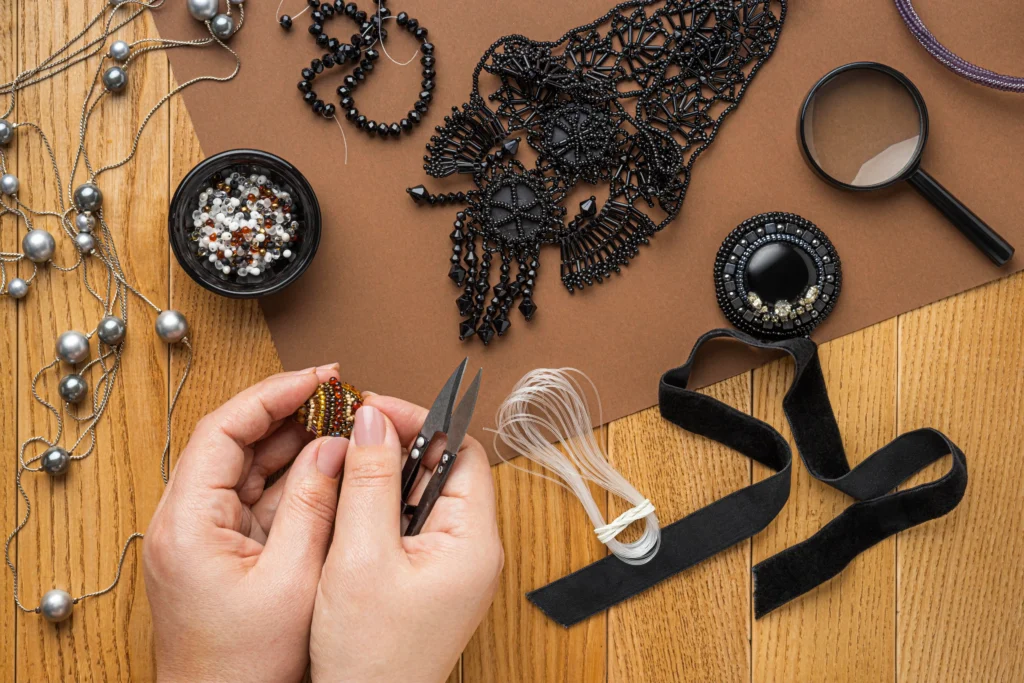
Although advanced machines improve production accuracy, traditional craftsmanship remains central to quality jewelry manufacturing. Technology can produce detailed designs, but skilled artisans contribute the experience needed to refine surfaces, position gemstones, polish metal, and inspect delicate details.
A reliable custom jewelry factory brings these two approaches together. Automated equipment can handle repetitive or highly precise tasks, while experienced craftspeople focus on finishing techniques that require careful judgment.
For example, gemstone setting involves more than simply placing a stone into a metal structure. The setting must provide appropriate support, maintain visual balance, and protect the gemstone during everyday use. Experienced jewelers understand these requirements and apply suitable techniques to achieve attractive and durable results.
Material Selection and Quality Control
The materials used in a jewelry piece strongly influence its appearance, durability, and value. Customers may choose different metals, gemstones, and decorative elements depending on their preferences and intended use.
Gold is widely selected for its appearance and versatility, while silver offers a popular option for both traditional and contemporary designs. Platinum is valued for its durability and distinctive characteristics. Gemstones, including diamonds, sapphires, emeralds, and rubies, can add color, brilliance, and personal significance.
Material selection should consider more than appearance. Weight, strength, skin compatibility, maintenance requirements, and the intended construction all influence the final design.
Quality control should take place throughout manufacturing rather than only at the end. A professional manufacturer examines raw materials, checks component dimensions, evaluates gemstone settings, and inspects finished surfaces. These procedures help identify potential defects and maintain consistent production standards.
Creating Jewelry for Different Customer Preferences
One of the main advantages of customized manufacturing is the ability to serve different styles and markets. Customers may request completely original pieces or modifications to existing designs.
Personalized Engagement and Wedding Jewelry
Engagement rings and wedding bands often carry considerable emotional value. Custom production allows couples to select their preferred metals, stone shapes, settings, engraving details, and overall design. The result can reflect their relationship and personal preferences more closely than a standard retail option.
Fashion and Luxury Accessories
Customized necklaces, earrings, bracelets, and pendants provide opportunities for creative expression. Designers can experiment with unusual proportions, mixed materials, distinctive textures, and gemstone combinations to create recognizable collections.
Corporate and Promotional Jewelry
Businesses may also require customized jewelry for gifts, celebrations, employee recognition, or promotional campaigns. Personalized logos, brand symbols, and special messages can be incorporated into selected products to create meaningful branded accessories.
Efficient Production and Consistent Results
Advanced manufacturing improves more than design possibilities. It also helps factories organize their production processes and manage orders efficiently.
Digital design systems, organized workstations, specialized machinery, and standardized inspection procedures can reduce unnecessary delays. Better production planning helps manufacturers manage materials, coordinate different manufacturing stages, and maintain consistent results across multiple orders.
These improvements are particularly useful for businesses that require both individual customized pieces and larger production quantities. A well-organized factory can balance personalization with reliable delivery schedules while maintaining appropriate quality standards.
Sustainability in Jewelry Manufacturing
Responsible production is becoming increasingly important throughout the jewelry industry. Customers and businesses are paying more attention to material sourcing, manufacturing waste, energy consumption, and production transparency.
A modern custom jewelry factory can support more sustainable practices by improving material efficiency, recycling suitable precious metals, and carefully managing production leftovers. Digital prototyping can also reduce the need for repeated physical samples, helping limit unnecessary material use.
Responsible sourcing is another important consideration. Manufacturers should work with suppliers that provide appropriate documentation about the origin and characteristics of metals and gemstones. Clear communication about material options helps customers make more informed purchasing decisions.
Choosing the Right Custom Jewelry Factory
Selecting a suitable manufacturing partner requires careful research. Buyers should evaluate design capabilities, production experience, material options, quality control procedures, communication, and delivery arrangements.
Requesting previous project examples can help customers understand the manufacturer’s craftsmanship and design range. It is also useful to ask whether the factory offers CAD development, 3D prototyping, gemstone setting, engraving, finishing, and packaging services.
Clear pricing and production timelines are equally important. Customers should understand which services are included, what changes may affect the final cost, and how design approvals are handled. A dependable manufacturing partner communicates throughout the project and provides realistic expectations.
Conclusion
Advanced manufacturing has created exciting opportunities for producing distinctive, personalized jewelry. Technologies such as CAD modeling, 3D printing, precision casting, and modern finishing equipment allow manufacturers to develop intricate designs with improved consistency and efficiency.
However, exceptional jewelry still depends on skilled craftsmanship, thoughtful material selection, and careful quality control. A professional custom jewelry factory combines technological innovation with traditional expertise to transform creative ideas into meaningful, attractive, and durable products.
As customer expectations continue to evolve, manufacturers that emphasize personalization, reliable production, and responsible practices will be well positioned to serve the growing demand for unique jewelry. By choosing an experienced production partner, businesses and individuals can bring distinctive designs to life while achieving the quality and detail that make every jewelry piece special.