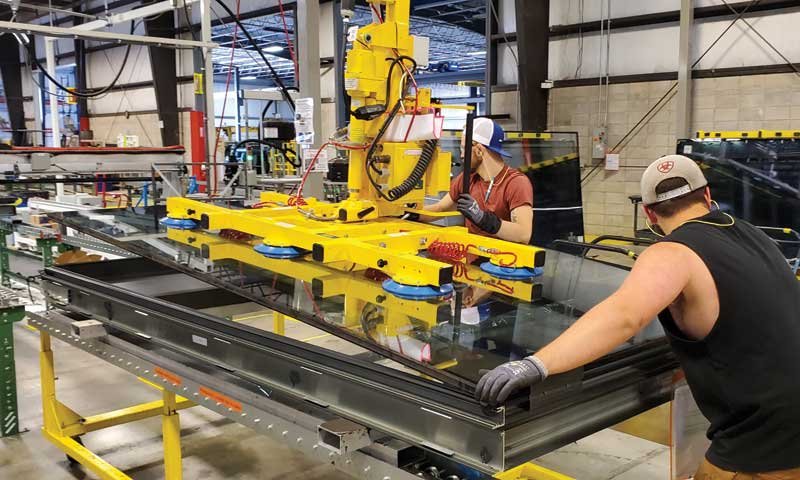

Modern architecture continues to evolve with innovative designs, advanced construction materials, and growing demands for energy efficiency. Building facades play an important role in this transformation because they influence a structure’s appearance, durability, safety, and overall performance. Selecting the right facade manufacturer is therefore an important decision for architects, contractors, developers, and construction companies. A trusted industry expert offers more than attractive exterior solutions; they provide technical knowledge, reliable manufacturing processes, quality materials, and professional support throughout a project.
Understanding the essential qualities of a dependable manufacturer can help construction professionals make informed decisions and achieve successful project outcomes.
1. Extensive Industry Experience and Technical Knowledge
Experience is one of the most important qualities that distinguishes a reliable facade manufacturer from an inexperienced supplier. Manufacturers with a strong industry background generally understand different architectural requirements, construction methods, material characteristics, and installation challenges.
Their technical knowledge allows them to recommend appropriate facade systems for residential, commercial, industrial, and institutional buildings. They can also identify potential design or performance issues before production begins, helping project teams avoid unnecessary delays and additional costs.
An experienced manufacturer understands how factors such as climate, building height, wind pressure, temperature changes, and environmental exposure influence facade performance. This knowledge supports better product selection and more practical design decisions.
2. Commitment to High-Quality Materials
The quality of materials used in facade production directly affects the durability, appearance, and performance of a building exterior. A trusted facade manufacturer carefully selects materials that meet project requirements and applicable industry standards.
Common facade materials include aluminum, glass, steel, composite panels, stone, and other engineered products. Each material has specific advantages, limitations, and maintenance requirements. A professional manufacturer helps clients understand these differences and choose suitable solutions.
Material quality control should be maintained throughout the manufacturing process. Reliable suppliers inspect incoming materials, verify specifications, and monitor production to reduce defects. This attention to detail helps ensure that finished facade components meet the required standards for strength, consistency, and appearance.
3. Advanced Manufacturing Technology
Modern facade systems often require precision engineering and specialized production equipment. A dependable facade manufacturer invests in advanced machinery, digital design tools, and efficient manufacturing technologies to maintain product consistency.
Computer-aided design (CAD), building information modeling (BIM), automated cutting systems, and precision fabrication equipment can improve accuracy and coordination. These technologies help manufacturers produce components according to specific architectural dimensions and technical requirements.
Advanced manufacturing processes also support customized designs. Architects may require unusual shapes, unique surface finishes, or complex configurations to achieve a particular visual effect. A capable manufacturer can evaluate these requirements and determine how they can be produced safely and efficiently.
4. Strong Quality Control Procedures
Quality control is essential for ensuring that facade products perform as expected after installation. A reputable facade manufacturer follows organized inspection procedures at different stages of production rather than relying only on a final examination.
These procedures may include checking material dimensions, surface finishes, component alignment, structural connections, and manufacturing tolerances. Depending on the system and project requirements, testing may also evaluate water resistance, air infiltration, structural performance, and other relevant characteristics.
Manufacturers should maintain appropriate records and provide documentation when required. Certifications, test reports, and quality management procedures can help clients assess a company’s commitment to consistent production standards.
A strong quality control system reduces the possibility of defects and supports the long-term reliability of the building envelope.
5. Ability to Deliver Customized Facade Solutions
Every construction project has different architectural goals, technical requirements, and budget limitations. Standard products may not always provide the flexibility needed for complex building designs. This makes customization an important quality in a professional facade manufacturer.
A reliable company works closely with architects, engineers, and developers to understand the project’s vision. It considers building dimensions, exterior appearance, material preferences, environmental conditions, and performance expectations before recommending a suitable system.
Customized solutions may involve different panel sizes, colors, textures, glazing configurations, or structural arrangements. The ability to accommodate these requirements allows manufacturers to support creative architectural concepts without overlooking practical construction considerations.
However, customization should always be balanced with engineering requirements, manufacturing capabilities, and installation limitations.
6. Focus on Safety and Regulatory Compliance
Building facades must satisfy important safety and performance requirements. Depending on the building location, type, and use, these requirements may cover structural stability, fire performance, weather resistance, thermal efficiency, and other building regulations.
A responsible facade manufacturer understands the relevant codes and standards that apply to its products and works with qualified professionals when technical assessments are necessary.
Fire safety deserves particular attention, especially in high-rise and large commercial buildings. Material selection and facade system design should follow applicable fire regulations and project specifications.
Structural performance is equally important. Facade components may experience wind loads, temperature changes, and other environmental forces throughout their service life. Proper engineering, testing, and installation planning help ensure that the system performs safely under expected conditions.
7. Professional Project Management and Timely Delivery
Manufacturing quality is only one part of a successful facade project. Proper scheduling, communication, coordination, and delivery are equally important. Delays in facade component production can affect other construction activities and increase overall project costs.
A trusted facade manufacturer follows an organized project management process. This includes reviewing technical drawings, confirming specifications, preparing production schedules, monitoring progress, and coordinating delivery requirements.
Clear communication helps clients understand project milestones and address potential problems early. Manufacturers should also provide realistic timelines instead of making unrealistic promises about production or delivery.
Reliable packaging and transportation arrangements protect facade components from damage before they reach the construction site. This attention to logistics supports smoother installation and reduces avoidable disruptions.
8. Sustainable Manufacturing Practices
Sustainability has become an important consideration in modern construction. Developers and architects increasingly evaluate how building materials, manufacturing methods, and facade systems influence environmental performance.
A forward-thinking facade manufacturer considers material efficiency, waste reduction, recyclable components, and responsible production practices. Aluminum, glass, and other materials may offer recycling opportunities, although their environmental benefits depend on sourcing, processing, transportation, and end-of-life arrangements.
Energy-efficient facade systems can also contribute to improved building performance. Proper glazing selection, insulation, shading, and thermal design may help reduce heating and cooling demands.
Manufacturers that understand sustainable construction can assist clients in selecting solutions that balance appearance, performance, durability, and environmental objectives.
9. Transparent Communication and Customer Support
Strong customer service is another defining quality of a trusted industry expert. Facade projects involve several stakeholders, and misunderstandings about specifications, costs, or responsibilities can create serious complications.
A professional facade manufacturer communicates clearly from the initial consultation through production and delivery. It provides accurate product information, explains technical limitations, and responds to questions within a reasonable timeframe.
After-sales support is also valuable. Clients may need assistance with maintenance recommendations, replacement components, technical documentation, or product-related concerns after installation.
Manufacturers that remain accessible and accountable help build long-term business relationships based on trust and professional cooperation.
10. A Strong Portfolio and Positive Industry Reputation
A manufacturer’s previous projects can provide useful insight into its capabilities. Reviewing completed buildings, project photographs, case studies, and client references helps potential customers understand the company’s experience and manufacturing standards.
A diverse portfolio may demonstrate experience with different building types, facade materials, architectural styles, and project scales. However, clients should look beyond visual appearance and consider whether previous projects demonstrate relevant technical expertise.
Industry reputation also matters. Consistent feedback about product quality, communication, reliability, and project delivery can help identify manufacturers that maintain professional standards.
Potential clients should request relevant references and verify important claims before making a final decision.
Conclusion
Choosing the right facade manufacturer is a significant step toward creating a durable, attractive, and high-performing building exterior. Industry experience, quality materials, advanced manufacturing technology, reliable inspection procedures, customization capabilities, and regulatory awareness are essential qualities that define a trusted expert.
Equally important are effective project management, sustainable production practices, transparent communication, and dependable customer support. By evaluating these factors carefully, architects, developers, and contractors can select a manufacturing partner that understands their project requirements and contributes to long-term construction success.
A professional manufacturer does more than produce facade components. It works as a technical partner, helping transform architectural concepts into practical building solutions that combine functionality, safety, durability, and visual appeal.